
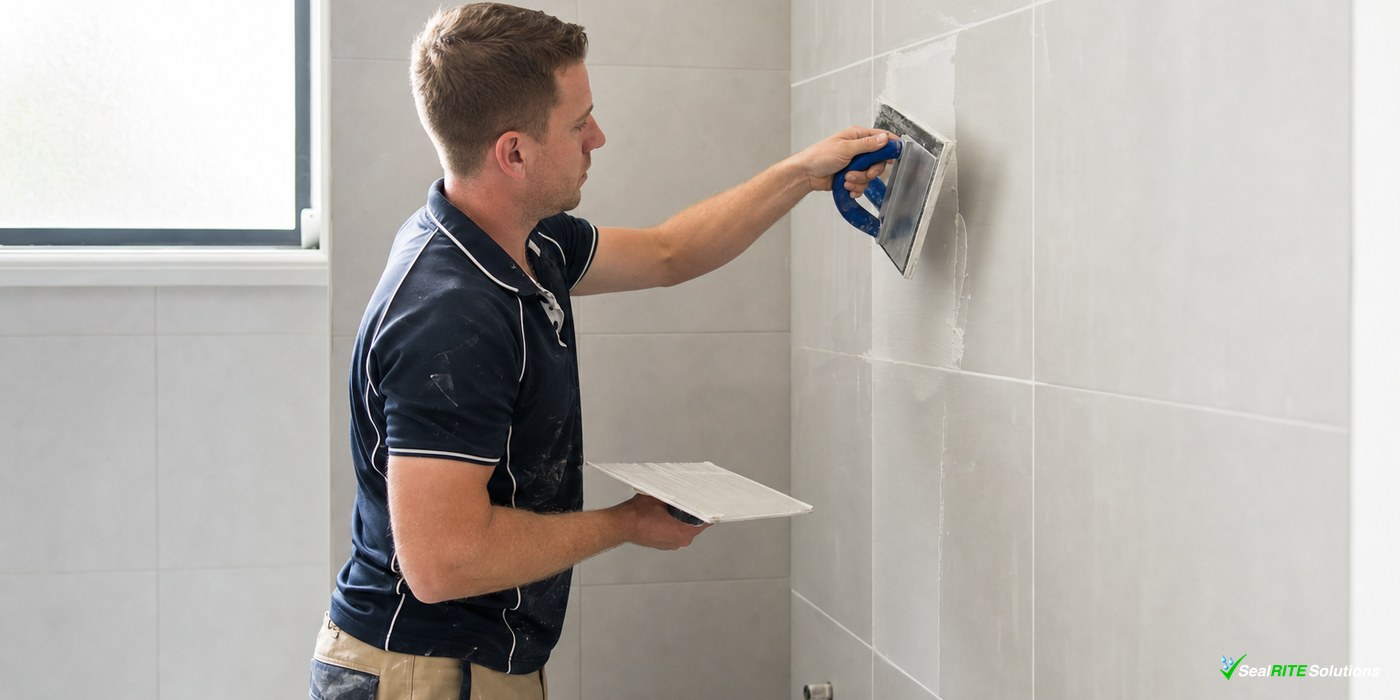
Yes, it is possible to fix a leaking shower without removing tiles in some circumstances, but only when the leak is caught early and the waterproofing membrane beneath the tiles is still intact. Methods such as epoxy grout injection, silicone membrane application, and surface sealants can address surface-level leaks where water is escaping through failed grout or silicone. However, if the waterproofing membrane has failed or the substrate beneath the tiles is water-damaged, tile removal is unavoidable and the only reliable long-term solution. The key is knowing which situation applies to your shower, and that requires a professional assessment. This article explores the non-invasive repair options available to Sydney homeowners, when each method works, and the signs that indicate tile removal is necessary.
When Non-Invasive Shower Repair Works
Non-invasive shower repair, sometimes called “no-demolition” or “surface-applied” repair, works when the leak is limited to the visible surface of the shower and the structural waterproofing membrane underneath is still performing its function. In a correctly built shower, the waterproofing membrane is the primary barrier that keeps water out of the building structure. The tiles and grout are the wearing surface, not the waterproof layer. When the grout or silicone fails but the membrane holds, a non-invasive repair can be effective.
Early-stage leaks
The most suitable candidates for non-invasive repair are showers where the leak has been identified early. If you have noticed a small crack in the grout, a failing silicone seal, or a slight musty smell but no visible water damage to ceilings or walls, there is a reasonable chance the membrane is still intact. In these cases, addressing the failed grout or silicone promptly can stop water from reaching the membrane and prevent the leak from progressing.
Grout failure only
Grout is porous and, over time, can crack, crumble, or absorb water. When the grout deteriorates, water can pass through the gaps and pool on top of the waterproofing membrane. If the membrane is intact, this water is still contained within the shower, but it sits against the membrane and can eventually find its way to the edges or the waste connection. Replacing or reinforcing the grout can resolve this type of leak without disturbing the tiles.
Surface-level issues
Leaks caused by failing silicone around the shower screen, shower base, or internal corners are entirely surface-level and can be addressed by removing the old silicone and applying a fresh seal. This is the simplest and most affordable non-invasive repair and is suitable when water is escaping at the joints but there is no indication of a deeper problem.
Non-Invasive Repair Methods
Epoxy grout injection
Epoxy grout injection is one of the most effective non-invasive methods for addressing cracked or failing grout. A two-part epoxy resin is injected into the grout lines using a specialised applicator. The epoxy penetrates the grout and bonds with it, filling cracks and sealing the grout against water penetration. Unlike standard cement-based grout, epoxy grout is non-porous, highly resistant to mould and staining, and significantly more durable.
This method works best when the existing grout is mostly intact but has developed hairline cracks. It is less effective if the grout is extensively missing or if the tiles are loose. The process typically takes one day, and the shower can be used again within 24 to 48 hours, depending on the specific product used. For showers with widespread grout deterioration, professional regrouting may be a more appropriate solution, though it also involves removing the old grout before applying new material.
Silicone membrane application
A silicone membrane is a liquid-applied waterproof coating that can be brushed or rolled onto the surface of the shower floor and lower walls. It cures to form a flexible, waterproof barrier over the tiles. This method is suitable for showers where the tiles are still firmly bonded but the grout has failed, and where removing the tiles is not practical or desirable for the homeowner.
The key limitation of silicone membrane application is that it is a surface treatment. It does not address water that is already trapped beneath the tiles, and it does not repair a failed membrane underneath. It essentially adds a new waterproof layer on top of the existing surface. The lifespan of a silicone membrane is typically shorter than a full waterproofing replacement, and it may need to be reapplied after several years, depending on usage and wear.
Surface sealants
Penetrating surface sealants are clear, liquid treatments that soak into the grout and tile surface, creating a water-repellent barrier. Unlike silicone membranes, which sit on top of the surface, penetrating sealants work within the grout and tile to reduce porosity. They are often used as a preventative measure on showers that are not yet leaking, or as a supplementary treatment after regrouting.
Surface sealants are the least invasive option and can be applied in a few hours with no disruption to the use of the shower. However, they are a maintenance treatment, not a repair. They cannot seal active leaks, fill cracks, or compensate for missing grout. They are best suited to showers in good condition where the goal is to extend the life of the existing grout and reduce water absorption.
Weep hole cleaning
In some shower designs, particularly those with a tiled shower base, small openings called weep holes are built into the waste drain to allow any water that reaches the membrane to drain away. Over time, these weep holes can become blocked with soap scum, hair, and debris. When this happens, water that reaches the membrane has nowhere to go and can pool until it finds an alternative escape route.
Clearing blocked weep holes is a simple, non-invasive procedure that can resolve a leaking shower if the leak is caused by water backing up at the waste. A plumber or waterproofing professional can clear the blockage and test the drainage to confirm that water is flowing correctly. This is one of the least expensive repairs and does not involve any tile removal.
When Tiles Must Come Off
There are situations where non-invasive repair is not enough and tile removal is the only way to reliably fix the leak. The most common scenarios are outlined below.
Membrane failure
The waterproofing membrane is the critical layer that prevents water from reaching the building structure. If the membrane has failed, whether due to age, poor installation, or physical damage, water is bypassing the tiles entirely and soaking into the subfloor and walls. No amount of grout repair or surface sealant can compensate for a failed membrane. The only reliable repair is to remove the tiles, strip out the old membrane, and install a new one that complies with AS 3740.
Substrate rot or damage
When water has been leaking for an extended period, the substrate beneath the tiles, typically timber flooring or cement sheeting, can become saturated and begin to rot or degrade. A soft, spongy floor or walls that flex when pressed are strong indicators of substrate damage. In these cases, the damaged substrate must be cut out and replaced before a new membrane and tiles can be installed. This always requires tile removal.
Extensive water damage to adjoining rooms
If water from the shower has caused visible damage to ceilings, walls, or flooring in rooms adjacent to or below the bathroom, the leak is advanced and the water has travelled through the building structure. Surface-level repairs to the shower will not stop water that is already migrating through the wall cavity or floor space. In these situations, the shower typically needs to be stripped back to expose and repair all affected areas.
Repair Method Comparison Table
| Method | When It Works | When It Doesn’t | Cost Range | Lifespan |
|---|---|---|---|---|
| Epoxy grout injection | Hairline grout cracks, intact membrane | Missing grout, loose tiles, failed membrane | $350 to $700 | 5 to 10 years |
| Silicone membrane application | Sound tiles, failed grout, intact membrane | Loose tiles, failed membrane, substrate damage | $600 to $1,200 | 3 to 7 years |
| Penetrating surface sealant | Preventative treatment on sound grout | Active leaks, cracked grout, failed membrane | $150 to $400 | 1 to 3 years |
| Weep hole cleaning | Blocked waste drainage in tiled bases | Membrane failure, structural damage | $150 to $300 | Indefinite if regularly maintained |
| Partial tile removal and membrane repair | Localised membrane failure | Widespread damage, failed substrate | $800 to $2,000 | 10 to 15 years |
| Full tile removal and waterproofing replacement | Failed membrane or substrate damage | N/A (this is the definitive solution) | $2,500 to $6,000 | 15 to 25 years |
Pros and Cons of Non-Invasive Shower Repair
Advantages
- Lower cost: Non-invasive repairs are typically less expensive than full waterproofing replacements, making them an attractive option for homeowners on a budget.
- Less disruption: Because tiles are not removed, there is no demolition, no dust, and no need to vacate the bathroom for extended periods. Most non-invasive repairs are completed in one day.
- Quicker turnaround: The shower can usually be used again within 24 to 48 hours, compared to several days or weeks for a full waterproofing replacement.
- Preserves existing tiles: If your tiles are in good condition and you like the look of your bathroom, non-invasive repair avoids the need to source matching tiles or accept a patchwork finish.
Disadvantages
- Not a permanent solution: Non-invasive repairs address the symptoms of a leak but do not replace the waterproofing membrane. If the membrane is aged or damaged, the repair may only provide a temporary fix.
- Cannot address structural damage: If water has already damaged the subfloor or wall framing, a surface-level repair does nothing to remediate the underlying problem. The damage may continue to worsen behind the tiles.
- Shorter lifespan: Surface-applied treatments typically have a shorter service life than a properly installed waterproofing membrane. You may need to repeat the treatment or proceed with a full repair sooner than you would like.
- Not suitable for all leaks: As the comparison table shows, non-invasive methods are only appropriate for a subset of shower leaks. Using them on the wrong type of leak wastes money and delays the necessary repair.
How a Professional Assessment Determines the Right Approach
Before deciding between a non-invasive repair and tile removal, a shower leak repair professional will conduct a thorough assessment of the shower. This typically includes the following steps:
- Visual inspection: Examining the condition of the grout, silicone, tiles, and any visible signs of water damage on surrounding walls and ceilings.
- Moisture meter testing: Using a moisture meter to measure the moisture content of the walls and floor around the shower. Elevated moisture readings indicate water is present within the building structure.
- Thermal imaging: A thermal imaging camera can detect temperature differences caused by the presence of water, helping to map the extent of the leak without opening up walls.
- Flood testing: In some cases, the shower waste is temporarily plugged and the shower base is filled with water to observe whether the water level drops, indicating a leak in the membrane.
Based on the findings, the professional can advise whether a non-invasive repair is viable or whether tile removal is required. If the membrane is intact and the leak is surface-level, a non-invasive repair may be appropriate. If the membrane has failed or there is evidence of substrate damage, tile removal is necessary. If tiles do need to be replaced, professional tiling if tiles need replacing ensures the new surface is correctly installed over a compliant waterproofing membrane.
Questions Sydney Homeowners Ask About Non-Invasive Shower Repair
Q: Can I apply a waterproof sealant over my tiles myself to stop a leak?
A: While DIY surface sealants are available from hardware stores, they are designed as preventative treatments for showers in good condition, not as a repair for an active leak. If your shower is already leaking, applying a sealant over the tiles may temporarily reduce the amount of water escaping, but it will not fix the underlying problem. Water that is already trapped beneath the tiles will remain there, and the leak may continue through cracks or gaps that the sealant cannot reach. In some cases, sealing the surface can actually trap moisture inside the wall or floor and make the problem worse. A professional assessment is the safest first step before applying any product to a leaking shower.
Q: How long does a non-invasive shower repair last compared to a full waterproofing replacement?
A: The lifespan of a non-invasive repair depends on the method used and the condition of the underlying shower. Epoxy grout injection can last between five and ten years if the membrane beneath is sound. Silicone membrane applications typically last three to seven years before they begin to degrade. Penetrating sealants, being the lightest treatment, may need reapplication every one to three years. By comparison, a full waterproofing replacement performed to Australian Standard AS 3740 has an expected service life of 15 to 25 years, subject to proper maintenance and use. The longer lifespan and greater reliability of a full replacement are why it is the preferred solution when the membrane has failed.
Q: What happens if I choose a non-invasive repair and it doesn’t work?
A: If a non-invasive repair does not resolve the leak, the water will continue to escape and the damage will continue to accumulate. The risk is that the problem will be larger and more expensive to fix when you eventually proceed with a full repair. The money spent on the non-invasive repair is not wasted if the repair was appropriate at the time and the membrane was intact, but it is wasted if the membrane had already failed and the non-invasive repair was never going to work. This is why a professional assessment before any repair is so important. A reputable waterproofing professional should be able to give you an honest opinion about whether a non-invasive repair is likely to succeed, based on the specific condition of your shower.
Helpful Australian Resources
- Australian Institute of Waterproofing provides technical guidance on waterproofing standards and best practices. Their resources can help you understand the difference between surface treatments and membrane-based waterproofing and why compliance with AS 3740 matters.
- Standards Australia publishes AS 3740, the Australian Standard for waterproofing of domestic wet areas. This standard specifies the minimum requirements for waterproofing membranes, including the locations where membranes must be installed in showers and bathrooms. Any repair that claims to be non-invasive should not compromise compliance with this standard.
- NSW Fair Trading provides information on hiring licensed contractors for waterproofing work and what to expect from a building contract. Waterproofing is considered specialist work under NSW home building laws, and contractors must hold the appropriate licence category.
Get the Right Shower Repair for Your Sydney Home
Deciding between a non-invasive repair and a full waterproofing replacement is not a decision you should make without a professional assessment. At SealRITE Solutions, we use moisture meters, thermal imaging, and flood testing to determine exactly what is happening in your shower before recommending any course of action. If a non-invasive repair is appropriate, we will tell you. If your shower needs tile removal and a new membrane, we will explain why and provide a clear scope of work and quote.
Call SealRITE Solutions on 1300 123 008 to arrange a shower leak assessment at your Sydney home. We service all suburbs from Caringbah to the Eastern Suburbs, Western Sydney, and beyond. Our NSW licence is 302767C.
Disclaimer: This information is general in nature and does not constitute professional building advice. Waterproofing requirements vary based on individual circumstances. Consider seeking independent advice before making repair decisions.